• Home
  • Donate
  • Volunteer
  • Intake
  • Articles
    • About Us
    • How To Know If A Wild Animal Needs Help
    • How To Capture Injured, Ill, or Orphaned Wildlife
    • How To Re-Nest Baby Birds or Make A Replacement Nest
    • Juvenile Birds: Why They Need to Be Left in Their Parents’ Care
    • What to do if You Find a Baby Owl or Hawk
    • Temporary Care Instructions for Wild Animals (Until You Can Reach a Licensed Wildlife Rehabilitator)
    • Important Information About Rabies-Vector Species
    • Why Wildlife Should Be Taken to a Certified Rehabilitator
    • Angel Wing: Why Feeding Waterfowl the Wrong Foods Can Cause Permanent Harm
    • What To Do If You Find A Baby Squirrel
    • Baby Fawns and Rabbits: They’re Probably NOT Orphaned
    • Orphaned Squirrels, Raccoons, or Possumns
    • Fawn Information
    • Bat Information
    • Avian Flu Information
    • What We Wish the Public Knew
    • Bob and Greg Gamette Interview
  • Home
  • Home
  • Donate
  • Volunteer
  • Intake
  • Articles
    • About Us
    • How To Know If A Wild Animal Needs Help
    • How To Capture Injured, Ill, or Orphaned Wildlife
    • How To Re-Nest Baby Birds or Make A Replacement Nest
    • Juvenile Birds: Why They Need to Be Left in Their Parents’ Care
    • What to do if You Find a Baby Owl or Hawk
    • Temporary Care Instructions for Wild Animals (Until You Can Reach a Licensed Wildlife Rehabilitator)
    • Important Information About Rabies-Vector Species
    • Why Wildlife Should Be Taken to a Certified Rehabilitator
    • Angel Wing: Why Feeding Waterfowl the Wrong Foods Can Cause Permanent Harm
    • What To Do If You Find A Baby Squirrel
    • Baby Fawns and Rabbits: They’re Probably NOT Orphaned
    • Orphaned Squirrels, Raccoons, or Possumns
    • Fawn Information
    • Bat Information
    • Avian Flu Information
    • What We Wish the Public Knew
    • Bob and Greg Gamette Interview
  • Home
BIDWELL WILDLIFE REHABILITATION
  • Home
  • Donate
  • Volunteer
  • Intake
  • Articles
    • About Us
    • How To Know If A Wild Animal Needs Help
    • How To Capture Injured, Ill, or Orphaned Wildlife
    • How To Re-Nest Baby Birds or Make A Replacement Nest
    • Juvenile Birds: Why They Need to Be Left in Their Parents’ Care
    • What to do if You Find a Baby Owl or Hawk
    • Temporary Care Instructions for Wild Animals (Until You Can Reach a Licensed Wildlife Rehabilitator)
    • Important Information About Rabies-Vector Species
    • Why Wildlife Should Be Taken to a Certified Rehabilitator
    • Angel Wing: Why Feeding Waterfowl the Wrong Foods Can Cause Permanent Harm
    • What To Do If You Find A Baby Squirrel
    • Baby Fawns and Rabbits: They’re Probably NOT Orphaned
    • Orphaned Squirrels, Raccoons, or Possumns
    • Fawn Information
    • Bat Information
    • Avian Flu Information
    • What We Wish the Public Knew
    • Bob and Greg Gamette Interview
  • Home

Bidwell Wildlife Rehabilitation

​​Dedicated to rehabbing Northern California's wildlife since 1973. We are the only permitted wildlife rehabilitation in Butte County.
Make A Donation
Become A Volunteer
Animal Intake

Found An Animal?

BWR is here to help! Wildlife may need rehabilitation for the following reasons: Serious injuries where the animal is unable to walk, run, climb or fly or caught by a cat or dog. Puncture wounds may not be easily visible, but most often require antibiotics for survival.

Whenever possible, we work to keep wild babies with their parents or reunite them quickly. Staying with their family is their best chance at a healthy life.


Before you submit an Intake Form, please read this article:
How to know if a wild animal needs help

Too many wild babies are accidentally taken from their parents by humans who misinterpreted the situation.

If you’re unsure how to assess the situation or what to do next, simply complete the appropriate intake form. A member of our team will reach out to guide you.
Picture
Mammal Intake Form

Picture
Bird Intake Form
Picture

1,138

​​The number of animals we admitted in 2025 alone
Picture

Est. 1973

The oldest licensed rehabilitation organization in California
Picture

100%

​Reliance on donations from people like you

Our Articles

Picture
How To Capture Injured, Ill, or Orphaned Wildlife
(California-Specific Guidance)
Finding a wild animal in distress can be alarming, and it’s natural to want to help.
Read
Picture
Avian Flu Information​
​
Avian flu is hitting the northstate hard. In the past few weeks, we've gotten dozens of intake forms from people who...
Read
Picture
Temporary Care Instructions for Wild Animals
Finding an injured, ill, or orphaned wild animal can be stressful. While professional care is always the goal...
Read
Picture
Bat Information
​
If you have found a bat that appears to be in need of help, do not touch the bat. Bats are rabies vectors. Don't put...
Read
Picture
Why Wildlife Should Be Taken to a Certified Rehabilitator
When you find an injured, ill, or orphaned wild animal, it’s natural to want to help however you can. Many people...
Read
Picture
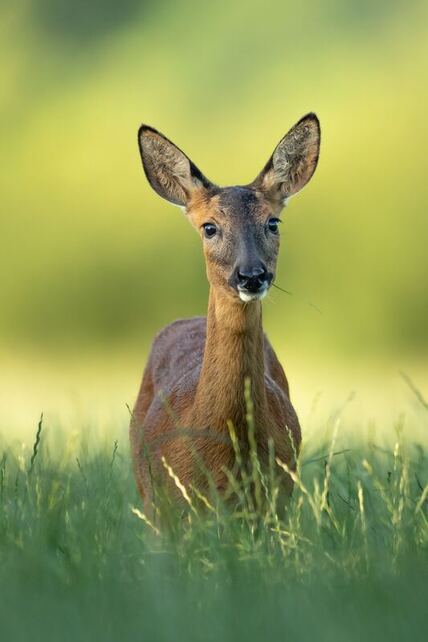
Baby Fawns and Rabbits​
​
If you find a fawn (baby deer) or a kit (baby rabbit) that is alone and you are worried that it is abandoned - leave it where...​
Read
View All Articles
Picture

Our Mission

We are a Northern California wildlife rehabilitation organization dedicated to rehabilitating orphaned and/or injured small mammals, raptors, reptiles, and more in the Butte, Colusa, and Glenn Counties.

Founded in 1973, our mission for the last 50 years has been to offer shelter and medical treatment for these animals throughout the year.
Make A Donation
Become A Volunteer

Connect With US

Follow Us On Facebook

​Contact Us
​
[email protected]

Other Links

California Wildlife Rehabilitation Facilities
Injured or Orphaned Wildlife Intake Form
DONATE       VOLUNTEER       ABOUT US
Bidwell Wildlife Rehabilitation
P.O. Box 53
Paradise, CA  95967
EIN #85-4282014